Thursday, June 16, 2016

I’m no longer on kidney dialysis

The program that helped me is made by Dr. Duncan Capicchiano, you can find it at this link

I am Michael Wright and what I want to tell you is


How I’ve reversed Kidney Disease for good

Today, I’m no longer on kidney dialysis.


After starting The Kidney Disease Solution program, it took me about two months to get out of dialysis. Today, after 3 years, living my life again, free from dialysis, still seems too good to be true.

I still need to do regular blood tests and check my conditions. Latest blood test showed another improvement in the condition of my kidneys.
My physician told me the holistic treatment I’m following has saved my whole life, not just my kidneys.
In the hope of giving back something to the people, I’ve opened my blog and a Youtube Channel to share my experience.

p.s. Always more people are asking me in the comments where to find Duncan Capicchiano's Beat Kidney Disease, the treatment that saved my life. In my opinion, the easier way to get it is downloading it directly from the website of Dr.Capicchiano.

Tuesday, May 24, 2016

How to keep your kidneys healthy in 5 steps

Did you know that being thirsty can seriously damage your kidneys?


Wednesday, December 18, 2013

Myths and truths: the egg in renal diet

Always remember to ask your doctor before making any change to your renal diet!
From the time the Framingham research during the 1960s connected high-cholesterol to heart problems, eggs have developed a bad reputation. In fact, a single egg yolk provides about Two hundred milligrams of bad cholesterol and most low cholesterol renal diets limit cholesterol to three hundred milligrams or fewer each day.
egss in renal diet

Lately, a new study unveils that it's not the egg yolk to raise cholesterol levels for anyone, even those on dialysis; usually, it's an overproduction of ldl cholesterol from the entire body or even a malfunction in transport of cholesterol in the bloodstream towards the liver. In fact, an eating plan full of saturated fat (and trans-fat) is a lot more harmful in terms of artery-clogging than any egg.
You could possibly remember a tv show financed from the Egg Council with an egg in jail and the statement that eggs are actually free to be a part of a a good (renal) diet. There are many myths plus more truths that each and every man or woman, expecially those on renal diet, ought to know about eggs. 

Myths: renal diet vs eggs

  • Eggs are meant to be eaten only at breakfast
    NOT TRUE: other cultures eat eggs at any time of the day. There are a lot of recipes including eggs for any meal.             
  • A lot of eggs brings salmonella
    NOT TRUE: studies showed that, in every 30.000 eggs only one is infected, and still you can destroy salmonella cooking it at at least 170°F for a min.
  • Eggs raise cholesterol levels
    NOT TRUE: Researches revealed that merely a very few individuals have a rise in cholesterol levels consuming eggs.
  • It is safe eating raw eggs when the shell is intact
    NOT TRUE: salmonella could be present in eggs with unbroken shells  

Eggs and renal diet: the truths

  • Egg's fat has a lower impact on cholesterol than other fats.
  • A big egg contains 100mg of phosphorus and 7gr of proteins
  • Eggs have albumin, the best high-quality protein, fundamental in a renal diet
  • Most of the phosphorus is in the yolk
  • Pasteurized eggs are safe to eat not cooked.
  • All the cholesterol is in the yolk
  • Eggs are one of the cheapest source of good protein

Putting eggs in your renal diet

There are a lot of recipes including eggs that could be suitable for a renal diet. Italian pepper and eggs is one of my favorites, not to mention deviled eggs, omelet, egg salad, etc.

italian eggs and pepper

Wednesday, November 20, 2013

Symptoms of kidney disease: what are the most common symptoms of renal disease and CKD

What are the most common symptoms of kidney disease

Definition of kidney disease

Kidney disease means the inability of an organ, in this case the kidney, to perform its normal functions. This alteration can occur suddenly (acute renal failure) or in a slow and gradual onset (chronic kidney disease, CKD).
In the latter case, the progressive loss of renal function is usually due to severe forms of hypertension and diabetes, inadequately controlled by medical therapy.
Prostatic hypertrophy, kidney stones, vesicoureteral reflux or large tumors, are conditions that - hindering the normal flow of urine - increase pressure within the kidneys reducing effectiveness. Kidney damage can also be caused by inflammatory processes (pyelonephritis, glomerulonephritis) or by the formation of cysts in the kidney (polycystic kidney disease).
Even the chronic use of certain medications or alcohol and drugs at high doses may concur to symptoms of kidney disease, while acute poisoning of the same can cause an acute renal failure.
The latter is often the complication of one or other serious disorders, which at first may be erroneously considered to be causing the symptoms of kidney disease.

Most common symptoms of kidney disease

symptoms-of-kidney-disease
  • anemia
  • anuria
  • anorexia
  • asthenia
  • muscle cramps
  • edema
  • aching legs
  • swollen ankles
  • swollen legs
  • tired legs
  • heavy legs
  • dysuria
  • backacheh
  • headache
  • hypertension
  • nausea
  • weight loss
  • oliguria
  • proteinuria
  • water retention
  • dark urineb
  • blood in the excrement
  • itching
  • blood in the urine
  • vomiting

Difference between chronic kidney disease symptoms and acute kidney disease symptoms

In case of chronic kidney disease, kidney disease symptoms pass almost unnoticed in its early stages. Only when the renal function is considerably diminished, the first symptoms are visible, that will increase in severity as they rise up the levels of various substances in the blood, including waste, and blood pH.
In the worst cases, chronic kidney disease requires a transplant or kidney dialysis.
The problem of chronic forms is linked to non-specific symptoms, that could lead to wrong diagnosis and do often hide more severe and in some cases irreversible loss of function.

Wednesday, October 30, 2013

What are your options for the treatment of renal disease ?

What are your options for kidney failure treatment ?

  • Kidney failure could be a gradual process and signs and symptoms might not be seen before the kidney disease is extremely advanced.
  • Kidney failure happens once the renal system is no more in a position to remove waste and keep fluid balance in your body.
  • Without some type of treatment, this could lead to dying.
  • The two kinds of kidney failure treatment are kidney dialysis or transplantation.

Types of kidney failure treatment: kidney dialysis and transplant


You will find two different types of dialysis: hemodialysis or peritoneal dialysis.
  • Hemodialysis
    Throughout hemodialysis, tubes connect the individual to some machine that filters the bloodstream. Hemodialysis is generally done three occasions per week for several-4 hrs every time. It is almost always done in a dialysis center, although in some instances families could be educated to perform the kidney failure treatment in your own home. People on hemodialysis must follow a strict kidney diet, restrict their fluid intake and could feel bad especially after dialysis.
  • Peritoneal dialysis
    Peritoneal dialysis uses the abdominal cavity membrane known as the peritoneal membrane to filter the bloodstream. Throughout this kind of kidney dialysis, a tube is positioned permanently in to the abdomen. Throughout treatment, a fluid known as dialysate is implanted in to the abdominal cavity. Waste and additional fluid transfer to the dialysate after a couple of hrs, the fluid is drained out. This really is known as an exchange. Patients can perform 4-5 trades each day, or even the trades might be done during the night with the aid of a piece of equipment that cycles the trades as the individual is sleeping.
  • Kidney transplantation
    Kidney transplantation may be the third option for those who need a kidney failure treatment. Inside a kidney transplant, the contributed kidney is surgically put into the low waist and replaces the part from the natural renal system. The patient’s own renal system are often left in position. The person receiving a kidney transplant will need to take medicine for that existence from the adopted kidney to avoid rejection. Kidney transplant readers should also follow strict agendas for lab testing and physician visits.


The drug free option  for kidney failure treatment


Avoid dialysis to improve your kidney health.
The proper kidney diet plan and also a well-balanced formulation of essential proteins at each and every meal, backed up by healthy herbal treatment, has been shown to postpone the moment to dialysis and in some cases (like mine) to reverse kidney disease.
These research additionally demonstrated that the main technique was indeed as proficient on individuals with all forms of diabetes as on those without it, an important factor when all forms of diabetes boosts the probability of kidney failure considerably.
If you have kidney disease you will need to try the program I've used. The natural cure Dr. Capicchiano described on his site have already been proved to be very effective in lots of the situation. My story is here to prove it.

Friday, August 16, 2013

Healing the kidneys the natural way

The kidneys are organs that keep your bloodstream clean and in correct chemical balance. Every single day, your own kidneys dig through two hundred quarts of blood to get rid of about 2 quarts of toxins as well as additional waters, in accordance with the NKUDIC (National Kidney Urologic and Disease Information Clearinghouse).
In case your kidney function is damaged as a result of traumas, disease or toxins, balanced and healthy kidney diet is capable of supporting your well being throughout and after medical treatments.
For optimum outcomes, seek out guidance from a medical professional.

What to eat if you have kidney disease

chronic kidney disease diet
  • Proteins
    Protein supplies amino acids - the basement walls of lean tissue. Protein-rich meals also improve tissue restore, and that is crucial in case your kidneys are recovering from a trauma or even disease, and robust defense mechanisms , that safeguards your kidneys from diseases. For those who have kidney disease, a medical professional might point to a low-protein renal diet as a means to reduce scories of your bloodstream. No matter, it is critical to reap protein coming from animal-derived food, like lean meats, chicken, seafood and low-fat milk products, and vegetable sources, like legumes, in accordance with the National Kidney Foundation. In case your physician has recommended restricting dairy products or specific beans, that are high in phosphorus, pick beef, seafood and also chicken frequently. Fatty fish, including, albacore tuna, salmon, sardines and herring, supply omega-3 essential fatty acids, which can reduce inflammation.
  • Whole Grains
    Whole grains, like bulgur, whole wheat, oats, millet, wild rice, brown rice, popcorn, provide high amounts of fiber and nutrients. Whole grain products are dietary resources for controlling your blood pressure.
  • Healthy fats
    Healthy fats, including canola oil, olive oil, seeds nuts, avocados, aid your physique process certain nutrients, boost thinking processes and supply power for low- to moderate-intensity physical exercise. Dietary restrictions involved with kidney disease may result in inadequate caloric intake. In such cases, the National Kidney Foundation suggests consuming more fats.
  • Vegetables and Fruit
    Fruit and veggies are usually excellent supplies of anti-oxidants, that really help the body safeguard from infections and illness. Antioxidant-rich foods could boost healing from kidney-related problems. NKUDIC advises looking at vegetables and fruit in your daily diet for those who have early-stage chronic kidney disease


Foods to absolute avoid in chronic kidney disease

  • High-Salt Foods
    High-salt bring problems to kidney function – it must be avoided.
  • High-Potassium Foods
    Foods rich in levels of potassium irritate the kidneys, Check the product labels of foods to make sure they don't include potassium
  • Dairy Products
    Yogurt, milk, cheese ought to be consumed just in a small amount if there's any kidney problem

Mypersonal thought
I know that this could be very daunting, kidney disease is something that really changes your life for the worse. But don't get discouraged, not all hope is lost: read the story of I reversed my chronic kidney disease


kidney health

Sunday, July 28, 2013

First step to heal the kidneys: Renal diet

Untitled Document
healthy kidney diet
  • How to set up an healthy renal diet

  • tips and hints for a diet that heals your kidneys
  • symptoms to be taken into account when planning a renal diet
  • Why it isn't possible to formulate a renal diet that's suitable for everyone?


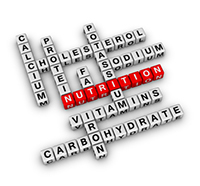
In this post we're going to pick up the basics of something that I consider essential for anyone suffering from impaired kidney function, kidney failure or is on dialysis: a healthy diet for the kidneys.


  • How to set up an healthy renal diet

    As you may know, chronic kidney disease is split into 5 stages depending on severity.
    • Stage one: normal or increased filtration, slight kidney damage
    • Stage two: slight decrease in kidney function
    • Stage three: decrease in kidney function
    • Stage four: Severe decrease in kidney function
    • Stage five: Kidney failure
    Each one of these stages could have distinct signs and symptoms and may also demand a different therapy and renal diet.
    And this is why, if you suffer from kidney disease, prior to making any modifications to your renal diet, make sure you talk about these with your doctor or nutritionist.
    It is important not to get discouraged by the difficulties inherent in following a proper diet - the prize for success could be to have your life back.
    In fact, in some cases it's possible to reverse kidney disease and heal the kidneys. Yes, I'm one of those lucky people. You can read my story here.
    renal diet


  • tips and hints for a diet that heals your kidneys

    Here are some of the recommendations made to patients in the earlier stages on kidney disease:
    • Limit fluids intake
    • Adopting a low-protein diet
    • Avoid salt, phosphorous and potassium
    • Obtaining adequate calories if you're losing weight
    You doctor has probably advised you to limit sodium intake. This is primarily because salt and sodium loaded meals will raise your blood pressure that will eventually result in renal system problems.
    The quantity of potassium within your renal diet ought to be restricted. Diseased kidneys will have a problem handling it and getting rid of excess quantities out of your blood.
    For individuals on dialysis, consuming too much potassium is often very risky for the heart and may even result in death. Men on dialysis need to stay away from foods such as avocados, bananas, kiwis, as well as dried fruit, that happen to be extremely high in potassium. These sort of renal diet may be weak in vitamins.
    Nonetheless, people on dialysis should NOT take vitamin supplements that are being sold from the (blank) as they may contain vitamins and also minerals which are dangerous. Medical professionals may prescribe mineral and vitamin pills.
    People with kidney diseases need to handle thirst as well as liquid consumption, including liquid which comes through vegetables and fruit. This happens because additional liquid may cause an increase in weight and swelling, and may produce hypertension leading to cardiovascular system issues. Due to these dangers, sodium also need to be reduced or maybe avoided


  • Ok, now we know what NOT to eat... but what kind of food can we consume to reach the necessary amount of daily calories for our renal diet?


    • CARBOHYDRATES
      carbs are the ideal energy source for your health, but not when if you have got weight problems or have diabetes.
      In case your doctor has suggested a low-protein diet plan, you could replace the energy from protein with:
      Fresh fruits, a loaf of bread, whole grains, and veggies. These foods supply energy, along with dietary fiber, minerals, and also vitamins.
    • FATS
      Fats are great source of calories. Ensure that you are eating monounsaturated as well as polyunsaturated fats (extra virgin olive oil, canola (blank), safflower oil) to help safeguard your arterial blood vessels.
    • PROTEIN
      Low-protein diet plans could be beneficial prior to starting dialysis. A medical professional or nutritionist could suggest a moderate-protein diet plan (one gr of proteins per kg of body weight per day).
      Once you start dialysis, you've got to consume much more proteins. Actually, a high-protein eating plan using seafood, chicken, pork, as well as eggs is advised. The purpose is to replace the muscle tissues that you'll loose.
      Individuals on dialysis should consume Eight To Ten oz . of high-protein meals each day. Healthcare provider, dietitian, or doctor might point to including egg white powder, egg whites or proteic integrators.


  • Symptoms to be taken into account when planning a renal diet

    Individuals might have kidney disease for 30 years or maybe more without any signs or symptoms. Chronic kidney disease might seem to appear come on abruptly. when has been developing gradually for several years because of problems for the kidneys. A good way to search for chronic kidney disease, also called renal insufficiency, would be to observe the creatinine level with a blood test (blank) (blank). Kidney disease may include non-specific symptoms:
    • Increased urinating during night
    • Passing small amounts of urine
    • Swelling, of the hands and feet, as well as swelling around the eyes
    • Unpleasant taste in the oral cavity and urine-like smell to the breath
    • Persistent tiredness or shortness of breath
    • Increase in blood pressure
    • Loss of appetite
    • Excessively dry, itchy skin
    • Pale skin
    • increased sleepiness and fatigue, loss of appetite, poor growth in children
    Those who have kidney issues can experience persistent back pain, dizziness, blood inside the urine, alternation in the urine patterns, vomiting and nausea. Medicines to reduce the phosphorus or drugs to increase your blood production.
    Large amount of people most likely are not aware that probably the most frequent causes of renal system problems or kidney failure is definitely the long term utilization of pharmaceutical drug and medications, coming in contact with pesticides along with other toxins in the environment, along with, various other illnesses and diseases.


renal diet


kidney diet reference